
Understanding the psychology behind gambling behavior in casinos
Understanding the psychology behind gambling behavior in casinos
The Allure of Gambling
Gambling has captivated people for centuries, with its roots tracing back to ancient civilizations. The allure of gambling lies in the thrill of risk and reward, which taps into fundamental aspects of human psychology. Many individuals are drawn to the excitement of potentially winning large sums of money, which often leads them to engage in behaviors that they might not normally consider. This intoxicating rush can create a powerful incentive to keep playing, blurring the lines between entertainment and obsession. Online platforms, such as 9au Casino, further enhance this excitement by offering diverse gaming options and rewards.

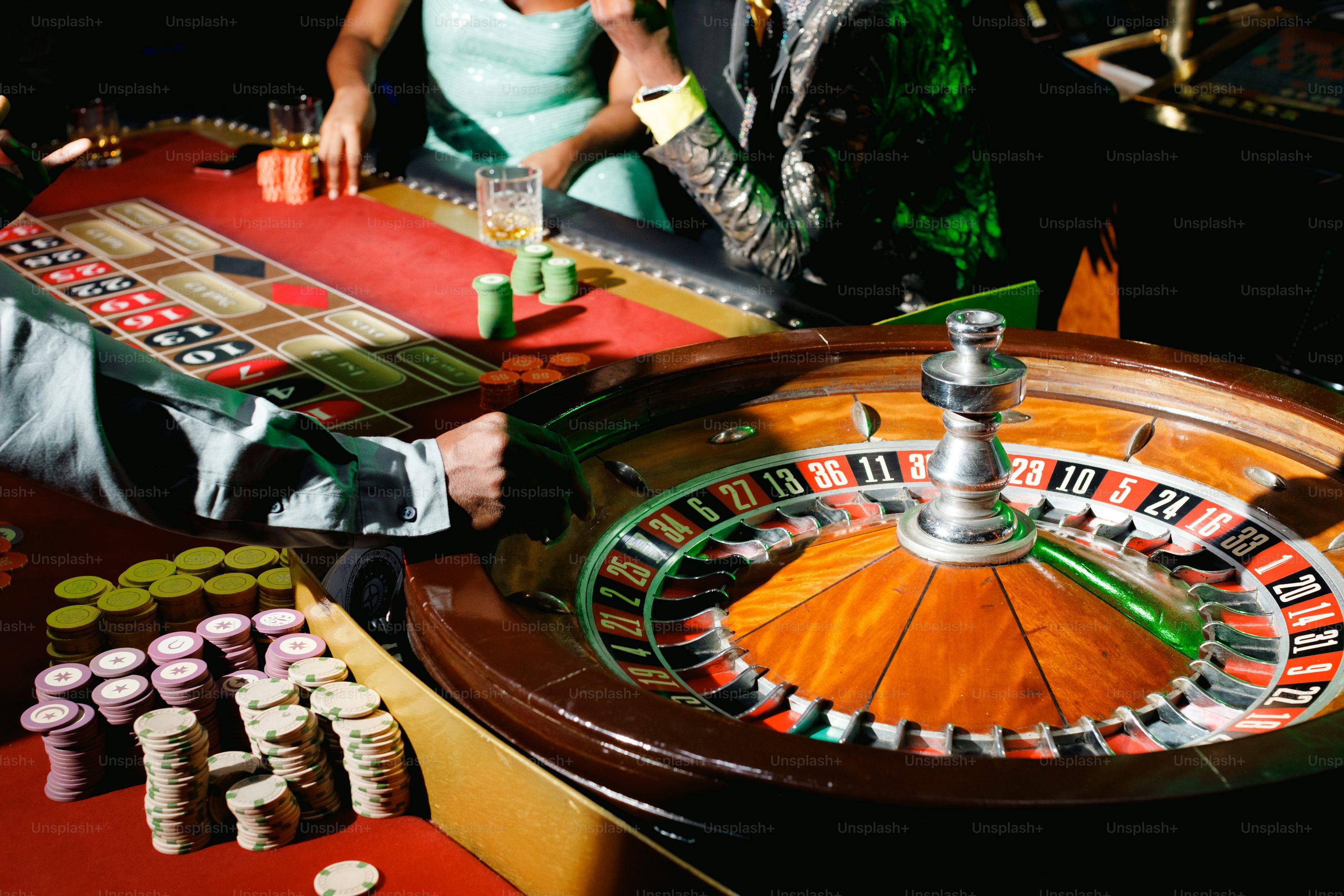
Moreover, casinos are meticulously designed to enhance this allure. From the vibrant lights and enticing sounds to the free drinks and luxurious surroundings, every element is orchestrated to immerse players in a sensory experience. These features create an environment where individuals feel a heightened sense of excitement, making it difficult for them to walk away, even after incurring significant losses. As a result, the design of casinos exploits psychological triggers to keep players engaged for extended periods.
Understanding the psychological underpinnings of this allure also involves recognizing the role of cognitive biases. For instance, the illusion of control is a common phenomenon where players believe they have more influence over the outcomes than they actually do. This belief can lead to increased risk-taking, as individuals convince themselves they can “beat the odds.” Such biases serve to entrench players further in their gambling behavior, often leading to detrimental financial and emotional outcomes.
The Role of Social Factors
Gambling is not merely an individual activity; it is deeply embedded in social contexts. The presence of peers can significantly influence gambling behavior. Many people are drawn to casinos in groups, where the communal experience heightens the thrill of winning and diminishes the perception of loss. This social reinforcement can amplify one’s desire to gamble, as players feed off each other’s excitement and adrenaline. The fear of missing out, or FOMO, can compel individuals to engage in gambling activities even if they are uncertain about their ability to afford it.
Celebrity gamblers also play a pivotal role in shaping perceptions of gambling as a glamorous lifestyle. Stories about high-profile wins and extravagant lifestyles create a narrative that suggests gambling can lead to wealth and success. This perception can encourage novice gamblers to enter casinos with unrealistic expectations, hoping to replicate the successes they’ve seen in the media. As a result, the social dimension of gambling can foster an environment where risky behaviors become normalized and even celebrated.
Additionally, the concept of social validation contributes to gambling behavior. Players often share their experiences on social media, showcasing their wins while downplaying or concealing losses. This tendency creates a distorted view of gambling, where the perceived success appears more frequent than it truly is. Such dynamics not only attract more players but also perpetuate a cycle of gambling that can lead to addiction, as individuals strive to achieve the same level of recognition and success as those celebrated online.
Emotional Triggers and Gambling
Emotions play a crucial role in gambling behavior, often driving individuals to participate in activities that defy logical reasoning. Many gamblers turn to casinos to escape negative emotions, such as stress, anxiety, or depression. In these instances, gambling becomes a coping mechanism, providing temporary relief from emotional turmoil. However, this can result in a vicious cycle, where the initial emotional respite leads to greater losses and, subsequently, more intense feelings of despair.
The highs associated with winning can also lead to emotional dependency. When a player wins, the brain releases dopamine, a neurotransmitter associated with pleasure and reward. This chemical reaction creates a strong desire to chase that feeling again, often resulting in impulsive gambling behavior. As the individual seeks to replicate the thrill of winning, they may disregard the risks involved, leading to significant financial and emotional consequences.
Moreover, the experience of “near-misses” can further entrench gambling behavior. These moments, where players come close to winning without actually succeeding, can elicit feelings of excitement and encourage continued play. Players may convince themselves that they are “due” for a win, further compounding their emotional investment in the activity. As a result, understanding these emotional triggers is essential for recognizing the psychological barriers that prevent some individuals from moderating their gambling behaviors.
The Impact of Marketing and Promotion
Casino marketing strategies are specifically designed to appeal to psychological triggers. Promotions such as bonuses, free spins, and loyalty programs serve to entice players into spending more time and money within the casino. These offers can create a perception of value, making it difficult for individuals to resist the allure of potential rewards. This constant barrage of promotional material reinforces the idea that gambling is an easy path to wealth and entertainment.
Furthermore, the use of gamification techniques in casinos has transformed the gambling experience into a more interactive and engaging activity. By incorporating elements such as leaderboards and achievement systems, casinos effectively stimulate competition among players. This gamified approach appeals to the innate human desire for achievement and recognition, drawing players deeper into the gambling experience and increasing the likelihood of continued participation.
As players interact with these promotional strategies, it’s important to consider the ethical implications. While casinos aim to create an entertaining environment, the aggressive marketing tactics can inadvertently encourage problematic gambling behavior. Recognizing these tactics is crucial for individuals, as they can empower players to make more informed choices and establish healthier gambling habits.
Exploring 9AU Casino
For those interested in exploring the world of online gambling, 9AU Casino offers a vast array of games that cater to various preferences. With over 6,000 games available, players can find options that range from traditional table games to innovative slots and live dealer experiences. The platform creates an engaging environment that draws upon the psychological principles discussed, making it crucial for players to be aware of their behaviors while participating.
The casino provides enticing bonuses, such as a 150% welcome bonus and 250 free spins, designed to enhance the gaming experience. These promotions are attractive and serve as a reminder of the psychological aspects of gambling behavior. Understanding these incentives can help players navigate their experiences more responsibly, ensuring that they enjoy their time without falling prey to excessive risk-taking.
Furthermore, with a focus on customer support, security, and fast payouts, 9AU Casino emphasizes providing a trustworthy gaming environment. Players can rest assured that they are engaging with a reputable platform that values responsible gambling practices. By offering ongoing promotions and cashback deals, 9AU Casino not only caters to the excitement of gambling but also encourages players to remain mindful of their engagement, fostering a healthier relationship with gaming.