
How Can You Read Online Game Information More Carefully?

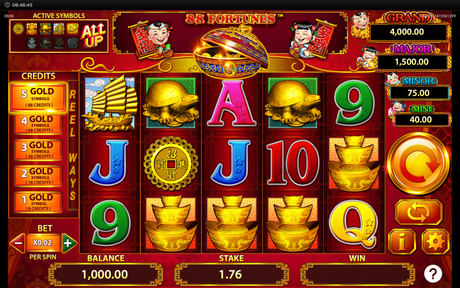
Game pages are useful only when they help you understand what you are selecting, rather than simply making a title look attractive. On Fortune Play, the available material points to several ways of browsing, including categories, providers, collections and individual game listings. The practical task is to move from a broad lobby to information that supports a sensible decision. That means checking the game type, provider, rules, features and any market restrictions before treating a title as suitable.
Start with the page’s basic identity
A game information page should first tell you what the title is and where it belongs. Look for the game name, the broad category and the studio or provider. This prevents confusion between similarly named releases and helps distinguish a slot from a table game, jackpot product, instant-win title or live-dealer table. A listing that shows only a picture and a play button gives you very little context.
Category labels can make browsing faster, but they are not always precise descriptions of how a game works. Collections such as Megaways, Hold & Win, Bonus Buy, Jackpot or Drops & Wins usually describe a feature, format or marketing grouping rather than a guarantee of a particular result. Read the individual page as well as the lobby label, especially when a title appears in several collections.
Provider information is another useful cross-check. The catalogue material identifies studios including Pragmatic Play, Play’n GO, NetEnt, Evolution, Ezugi and many others, although the exact selection can vary according to market and provider rules. If a title is unavailable after you have found it through search, that does not necessarily mean the page is faulty. It may reflect regional availability, a temporary change or a different lobby view.
What should the game details tell you?
Once you open a title, look for information explaining the mechanics rather than relying on its theme. For a slot, useful details may include the reel format, paylines or ways to win, symbols, wilds, scatters, bonus rounds and any special feature. For a table game, check the rules, available betting options, dealing procedure and whether the game is automated or hosted live.
Pay attention to the difference between a feature being present and a feature being easy to trigger. A page may advertise free spins, multipliers, jackpots or bonus rounds without saying how frequently they occur. Short demonstrations can show how a feature operates, but they cannot establish the long-term frequency of wins, the game’s volatility or whether a particular session will be favourable.
Where return-to-player or volatility information is supplied, treat it as technical background, not a forecast. RTP is a long-run statistical concept and does not determine the outcome of a short session. Volatility describes the general pattern of wins, but it does not remove uncertainty. If a page does not clearly state a technical detail, check the operator’s displayed rules or help information rather than assuming it from the title or provider.
Use search, filters and collections without losing context
Large lobbies are easier to use when you narrow them methodically. A sensible sequence is to search for the title, confirm the provider, then inspect the game’s category and available information. If you are browsing rather than looking for a specific release, filters such as new games, popular titles, themed collections or game type can reduce the number of choices without making the selection for you.
Collections can be helpful for discovery, but they may combine games with very different rules. A “popular” section indicates how the lobby groups titles; it does not prove that a game is more suitable, less risky or more likely to produce a return. Similarly, an “exclusive” or “new” label describes availability or recency, not quality. Open the details for each serious candidate instead of choosing from thumbnails alone.
It is also worth checking whether you are viewing casino games, live tables or a separate betting area. The wider service includes sports betting and esports products, but those are not the same as the casino games lobby. Keeping these sections separate helps avoid misunderstanding the relevant rules, settlement process and information requirements. For general regulatory background, the New Zealand Department of Internal Affairs gambling information is a more appropriate reference than promotional descriptions on a game page.
Check the information that may change by market
A game page is not necessarily a permanent catalogue record. The available selection can depend on country, provider restrictions and the account or website version being viewed. A title found in an independent description may not appear in the current New Zealand-facing lobby, while a game visible in the lobby may later be removed or replaced.
Currency is another point to separate from game information. The source material states that NZD accounts are supported, but that does not mean every game has identical displayed limits or settings. Minimum and maximum stakes, table availability and the presentation of amounts can vary by title and account configuration. Read the values shown on the relevant game page rather than converting figures from another currency or assuming that all games share the same range.
Live games require additional checks. Look for the table type, minimum and maximum stakes, whether the table is live or automated, and any stated schedule or seat conditions. Names such as blackjack, roulette or baccarat cover several versions with different rules and side bets. A familiar title should not be treated as a complete explanation. Open the table rules before deciding whether its format matches what you intended to play.
Make a final page-by-page decision

Before selecting a game, create a short checklist from the page itself. Confirm the title and provider, identify the game type, read the core rules, note the displayed stake range and look for any separate information about jackpots, bonus features or live-table conditions. This takes less time than correcting a mistaken assumption after play has begun.
Next, distinguish facts from presentation. A bright “new”, “popular” or “featured” label is a navigation aid, not evidence about outcomes. A provider name confirms who supplied the game, but it does not tell you whether you will enjoy its pace or understand its mechanics. If the page uses unfamiliar terminology, open the help text or rules and look for plain explanations before continuing.
Finally, stop when important information is missing. Do not infer RTP, volatility, eligibility, availability or stake limits from another title, a review or a screenshot. Check the current operator information and any applicable terms. If the game remains unclear, choosing not to open it is a reasonable decision. Good navigation is not about reaching a title quickly; it is about knowing what you are looking at when you get there.
Questions readers often ask about game information pages
Can a category tell me how a game will play?
Not completely. Categories such as Jackpot, Megaways, Hold & Win or Live Casino provide a useful starting point, but titles within one group can have different rules, features, stake ranges and volatility. Open the individual game information and read its instructions before relying on the category label.
Does a short demo prove a game’s RTP?
No. A short demonstration shows mechanics and presentation, but it cannot verify long-term statistical performance. RTP applies across a very large number of results, while a brief session may produce any pattern. Use the stated technical information where available and avoid treating short-term results as evidence.
Why might a listed game be unavailable?
Availability can change because of market restrictions, provider rules, catalogue updates or differences between website sections. A title mentioned in older material may no longer be displayed, and a search result may not represent the current lobby. Check the live game page and current operator information for the most relevant details.