
Exploring the psychological triggers behind gambling behaviors and decisions
Exploring the psychological triggers behind gambling behaviors and decisions
The Nature of Gambling Addiction
Gambling addiction is a complex phenomenon that intertwines psychological, emotional, and social factors. At its core, it often stems from an individual’s desire for excitement and the thrill of risk-taking. This urge can be particularly heightened in environments that promote instant gratification, such as casinos and online gaming platforms. Some players seek the adrenaline rush associated with gambling, which can lead them to discover platforms like https://mafiacasino-official.org/ while engaging in behaviors that they might otherwise avoid.
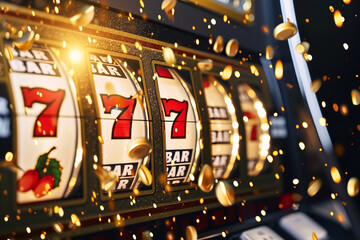
Understanding the psychological triggers is essential to comprehend why some individuals may develop harmful gambling habits. Cognitive biases play a significant role; for instance, the illusion of control leads individuals to believe that they can influence the outcome of a game, which can perpetuate gambling behavior. Furthermore, loss aversion, the tendency to prefer avoiding losses over acquiring equivalent gains, can drive people to gamble more in hopes of recovering their losses, thereby reinforcing their addictive patterns.
The impact of gambling addiction extends beyond the individual, affecting families and communities. Many individuals suffering from this addiction may experience financial turmoil, strained relationships, and mental health issues like anxiety and depression. Acknowledging the psychological triggers that lead to such addiction can provide pathways for effective treatment and prevention strategies, emphasizing the need for awareness and education.
Emotional Triggers in Gambling Decisions
Emotions significantly influence gambling decisions, often leading individuals to make impulsive choices that can have long-term repercussions. For many, gambling serves as a coping mechanism, an escape from stress, anxiety, or personal issues. When individuals feel overwhelmed by their emotions, they may turn to gambling as a way to temporarily alleviate their discomfort, not realizing the potential for a cycle of behavior that can escalate over time.
Moreover, the thrill of winning can create an emotional high that is hard to replicate in everyday life. This rush can lead players to chase that feeling, often ignoring the risks involved. The dopamine released during gambling can create a rewarding experience, prompting individuals to return repeatedly in search of that euphoric state, making them vulnerable to poor decision-making.
The relationship between emotions and gambling is particularly evident during significant life events. Celebrations can lead to increased gambling, where individuals might indulge to enhance their enjoyment, while feelings of sadness or loss can also trigger a desire to gamble, as a way to distract or numb emotional pain. Recognizing these patterns is crucial in addressing and mitigating harmful gambling behavior.
The Role of Cognitive Biases in Gambling
Cognitive biases play a pivotal role in shaping gambling behaviors and decisions. One common bias is the gambler’s fallacy, where individuals believe that past outcomes can influence future events. For example, a player might think that after a series of losses, a win is “due,” leading to misguided betting strategies. This fallacy can perpetuate a cycle of gambling, as individuals may continue to play in hopes of a favorable outcome that is unlikely to materialize.
Another cognitive bias influencing gambling decisions is confirmation bias, where individuals only acknowledge information that supports their beliefs about luck or skill in gambling. For instance, a player who has experienced a few wins may overestimate their abilities, leading to increased gambling without a rational assessment of the odds. This distorted thinking can lead to reckless behavior, increasing the risk of addiction.
Additionally, the concept of “near misses,” where players come close to winning but ultimately lose, can reinforce gambling behaviors. These experiences can create a false sense of hope and encourage further gambling, as individuals believe they are on the verge of success. Understanding these cognitive biases is vital for individuals to recognize their flawed thought patterns and make informed decisions when gambling.
The Social Influence on Gambling Behavior
The social environment significantly impacts gambling behaviors, often dictating how individuals perceive and engage in gambling activities. Peer influence can encourage individuals to participate in gambling, especially in social settings like parties or gatherings, where gambling may be seen as an entertaining activity. The normalization of gambling in certain social circles can lead to increased participation and risk-taking behaviors.
Furthermore, social validation can reinforce gambling decisions. Individuals may feel compelled to gamble to fit in or to impress their peers, which can sometimes lead to excessive betting and significant financial loss. This pressure can create a cycle where individuals feel the need to gamble more to maintain their social standing, often ignoring the potential consequences on their personal well-being.
Media portrayal also plays a crucial role in shaping attitudes towards gambling. Movies, advertisements, and television shows often depict gambling as glamorous and fun, potentially downplaying its risks. This skewed representation can lead individuals to underestimate the dangers associated with gambling and view it as a harmless form of entertainment, contributing to problematic behaviors and addiction.

Mafia Casino: A Safe Gaming Environment
Mafia Casino offers a secure and engaging platform for those who enjoy online gaming. With a focus on user-friendly navigation and a diverse range of games, it creates an environment where players can explore their gambling interests responsibly. The casino operates under a reputable gaming license, ensuring fair play and a safe experience for its users, which is essential in an industry often marred by issues related to addiction.
By providing a generous welcome bonus and regular promotions, Mafia Casino encourages responsible gaming habits while making it accessible for new players. The casino’s commitment to player support, including 24/7 assistance, demonstrates an understanding of the importance of addressing player needs and concerns. This focus on customer care can make a significant difference in fostering a healthier gaming environment.
Ultimately, the aim of Mafia Casino is not only to entertain but also to promote responsible gambling. By raising awareness of the psychological triggers behind gambling behaviors, they strive to create an informed player community that can enjoy gaming without falling prey to its potential pitfalls. Emphasizing education and support can empower players to make better decisions and enjoy a fulfilling gaming experience.