
Unveiling the top myths about luck in casinos
Understanding Luck: The Foundation of Casino Beliefs
Luck has always been a captivating concept in the world of gambling and casinos. Many players enter these establishments believing that luck is a tangible force that can be harnessed and controlled. This belief is often fueled by anecdotes of individuals striking it rich in a single night or the allure of hitting a jackpot on a whim. However, for those looking to explore deeper insights into luck and strategy, this site provides valuable resources that can help players shift from a luck-centric mindset to one where strategy plays a pivotal role in their gaming experience.
Another myth surrounding luck is the idea that certain players are inherently ‘luckier’ than others due to some mystical quality. This notion completely disregards the fact that every casino game is designed with odds that are mathematically calculated. Each spin of a slot machine or roll of the dice is an independent event, meaning past outcomes do not influence future results. For instance, just because a player has lost several times in a row does not mean they are due for a win; the odds remain unchanged regardless of previous results, which can lead to misguided expectations and disappointment.
Furthermore, the belief in luck often leads players to ignore the significance of skill and strategy in certain games. Games like poker or blackjack require a blend of knowledge, psychology, and strategic thinking, which can significantly influence the outcome of play. By recognizing that effort and understanding can bolster chances of success, players can better navigate their gaming experiences. This approach encourages responsible gambling, where players appreciate the entertainment value of the games rather than relying solely on luck, ultimately leading to a more satisfying experience.
The Illusion of Patterns in Gambling
One of the most pervasive myths in gambling is the belief that players can identify winning patterns, particularly in slots. It’s easy to assume that if a machine hasn’t paid out in a while, it must be ‘due’ for a win. However, this belief is rooted in the gambler’s fallacy, which inaccurately suggests that past outcomes influence future chances. Slot machines utilize random number generators to determine outcomes, meaning every spin is entirely independent. Therefore, there are no patterns to detect; chasing after supposed trends can lead to frustration and financial loss, as players often find themselves in a cycle of disappointment.
Additionally, this myth extends to table games, where players often believe in ‘hot’ and ‘cold’ tables or dealers. Some gamblers may meticulously track previous wins or losses, convinced that these will inform their next bets. The stark reality is that each game operates under the same predetermined odds that remain unaffected by previous rounds. By holding onto these beliefs, players can fall into the trap of making ill-informed decisions based on flawed reasoning, ultimately diminishing both their enjoyment and their bankroll.
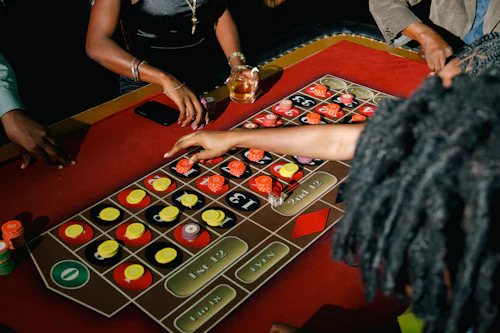
Understanding the randomness of games can liberate players from the pressure of needing to find patterns. Instead of obsessing over potential trends, they can focus on enhancing their skills and enjoying their gaming experience. Acknowledging that outcomes are random encourages a healthier mindset, fostering an appreciation for the game itself rather than an endless pursuit of elusive patterns that might not exist at all. This shift in perspective can lead to a more fulfilling and less stress-laden gaming experience.
The Myth of “Gambler’s Fallacy”
The gambler’s fallacy is a deeply ingrained belief that past events can affect future outcomes, especially in gambling scenarios. For example, many players assume that if a particular number hasn’t come up in a game of roulette for several spins, it is more likely to appear soon. This fallacy disregards the statistical fact that each spin of the wheel is an independent event, governed solely by its own set of odds. Therefore, the chances of a number appearing remain the same irrespective of its previous frequency, which can mislead players into making poor betting choices.
This misbelief can lead to significant losses for players who attempt to predict outcomes based on historical data. For instance, someone betting on a ‘due’ number may increase their stakes, convinced that the odds are in their favor due to recent trends. Such reasoning often clouds judgment, leading to impulsive decisions driven by superstition rather than sound strategy. Breaking free from the gambler’s fallacy requires a clear understanding of random events, empowering players to make more informed choices and approach gambling with a rational mindset.
Moreover, the gambler’s fallacy can also extend to how players view their own luck. Many believe they can overcome odds through sheer will or positive thinking, but the reality remains that luck cannot be willed into existence. By recognizing that all outcomes in games of chance are governed by randomness, players can focus on maintaining a balanced approach to gambling, making decisions based on logic rather than emotion or superstition. This understanding can significantly enhance the overall enjoyment of the gaming experience.
Belief in Lucky Charms and Rituals
Cultural superstitions play a significant role in shaping players’ beliefs about luck in casinos. Many individuals adopt rituals, such as wearing lucky clothing or carrying specific charms, in hopes of attracting better fortune. These practices are often rooted in personal experiences, where a player may have had a fortunate outcome while following a certain routine. However, these beliefs can create a false sense of control over an inherently random game, ultimately leading to self-deception that could affect their betting behavior.

Interestingly, the psychological comfort offered by these rituals should not be underestimated. Engaging in a personal superstition can help relax players and enhance their enjoyment, as it provides a sense of agency in an unpredictable environment. However, it is essential to recognize that no external object can influence the game’s outcome. Each player must ensure that these beliefs do not dictate their betting behavior, as this might lead to irrational decisions driven by superstition rather than rational analysis of the odds.
Ultimately, while personal rituals may add layers of enjoyment to the gambling experience, players should acknowledge their limitations. By viewing these as entertaining habits rather than determinants of luck, gamblers can free themselves from the pressure of needing to perform certain actions to succeed. This approach not only fosters a more enjoyable gaming experience but also reinforces the understanding that luck is an unpredictable variable that should not overshadow strategic thinking and responsible gambling practices.
Your Go-To Resource for Casino Insights
For those seeking a deeper understanding of luck and strategies in casinos, the right resources are invaluable. Many platforms are dedicated to providing players with insights into gaming strategies, odds, and responsible gambling practices. These resources can equip players with knowledge that transforms their gambling experience into an informed pursuit rather than a quest reliant solely on luck. By embracing educational content, players can gain the confidence needed to navigate the complexities of casinos effectively.
Learning from seasoned players and experts can aid in debunking myths surrounding luck. Engaging with knowledgeable sources can illuminate the truths of the gaming world, fostering a more balanced approach to gambling that emphasizes skill and strategy. This shift not only enhances player enjoyment but can also lead to more responsible gambling habits, reducing the risk of developing problematic behaviors associated with chasing luck or relying on superstitions.
In an increasingly accessible digital world, finding reliable information about casinos is simpler than ever. By investing time in understanding the realities of luck, strategy, and the psychological aspects of gambling, players can maximize their gaming experiences. Remember, casinos should be a source of entertainment, and by arming oneself with knowledge, players can truly enjoy the thrill without falling victim to common myths that cloud their judgment and decision-making processes. The right insights can transform gambling from a mere game of chance into a more strategic and rewarding endeavor.